RSV Vaccine UK: Protecting Older Adults This Winter | DGA Health
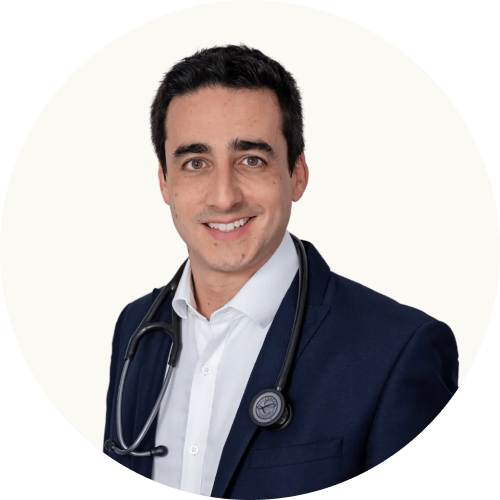
By Dr Daniel Gordon • 06, Oct 2025
As the leaves turn and the evenings grow shorter, my thoughts once again shift to preparing my patients for the inevitable surge of winter illnesses. For years now, flu and COVID have dominated the headlines and with good reason, but there is another respiratory virus that deserves your attention, particularly if you are older or living with health conditions.
That virus is Respiratory Syncytial Virus, or RSV.
You may not have heard much about RSV until recently. For decades it was quietly responsible for a huge burden of winter illness. In babies, it is one of the most common reasons for hospital admission, and in older adults it can trigger pneumonia, heart failure, or severe breathing problems. What’s new this year is that, for the first time, we have an effective vaccine that can dramatically reduce the risks.
And yet, despite this, the vast majority of people who could benefit will not be offered it by the NHS.
That is why I want to write this piece: to explain what RSV is, why vaccination matters, who is (and isn’t) eligible on the NHS, and why many of my patients are now choosing to protect themselves privately.
Understanding RSV The “Forgotten” Winter Virus: What Is RSV and Why It Matters for Older Adults
RSV is a highly contagious respiratory virus. In many healthy adults it looks like a heavy cold, but in older people, or those with underlying conditions, it can lead to much more serious problems. People infected with RSV can go on to develop pneumonia, end up in intensive care, or have their heart or lung disease pushed to a dangerous level by what began as a mild cough.
Statistics show the scale of the problem. Each winter in England and Wales RSV is estimated to cause 175,000 GP visits and up to 7,500 deaths in older adults. These are not small numbers — RSV is on a par with flu as a cause of serious seasonal illness.
Why RSV Matters More as We Age
Age changes the way our immune system works. Just as flu and COVID carry greater risks in later life, so too does RSV. If you are in your seventies or eighties, or if you live with conditions like diabetes, chronic lung disease, or heart disease, then an RSV infection is far more likely to tip you into hospitalisation. Also, those with high body weight or obesity may be at an increased risk of severe RSV illness or complications.
The Arrival of a New RSV Vaccine in the UK
Until recently, RSV was a virus we simply had to live with. But in 2023 a breakthrough arrived: Abrysvo®, made by Pfizer.
Abrysvo is the first vaccine licensed in the UK for adults over 60 and for use in pregnancy (to protect newborns via maternal antibodies). It is a single-dose vaccine given in the upper arm, similar to flu or COVID vaccines.
The clinical trial and real-world data are compelling. In adults aged 60 and above, Abrysvo has been shown to reduce the risk of RSV-related hospitalisation by around 73%, and to cut severe RSV illness (with multiple symptoms) by almost 90% in the first season after vaccination. Those are numbers that matter to patients — it means fewer admissions, fewer complications, and a much greater chance of staying well at home.
In the United States, the CDC now recommends RSV vaccination for all adults aged 75 and older, and for those aged 60–74 who have health conditions making them more vulnerable. This matches the approach we take at DGA Health.
RSV Vaccine Eligibility on the NHS
Who is the NHS offering it to?
This potentially life-saving vaccine is currently being offered on the NHS to people aged 75 to 79, as well as those who have just turned 80. It is also being offered on the maternal RSV programme to all pregnant women. The cut-off point for eligibility on the NHS is surprisingly stark and has caused understandable dismay amongst our patients – Most of whom are keen to do everything possible to protect themselves.
The reasons for the NHS decision are likely due to a range of factors including the cost effectiveness of running a national RSV-vaccination programme. One key consideration is that in the trials of Abrysvo® RSV vaccine there weren’t many people over the age of 80 (just 970 people), so there is less evidence of how well it works in this age group. To counter this however, although there is less evidence, the evidence itself is encouraging and suggests similar vaccine safety and effectiveness across all age groups – Including over 80s. In reality, there is likely to be very little difference in vaccine effectiveness in someone aged 78 and 82 (for example).
In the USA, the Centre for Disease Control (CDC) is recommending RSV vaccination for all adults 75 years and older, and for adults aged 60-75 with health problems that put them at a higher risk of complications from RSV.
To me, it seems that the stark cut off of 79 may unfairly disadvantage people, especially those in their early 80s, who may benefit from this encouraging new vaccine. I have therefore been actively initiating discussions with my patients on the risks and benefits of vaccination and offering it where suitable.
RSV Vaccine Side Effects and Safety
No vaccine is without side effects, and it’s important to be open about these. With Abrysvo, the most common reactions are the familiar ones: soreness at the injection site, mild swelling, a headache or muscle aches for a couple of days.
A very small risk of Guillain-Barré syndrome (GBS) — a rare nerve condition — has been identified in older adults in the weeks after RSV vaccination. The MHRA has estimated around 10–25 extra cases per million doses. To put that into perspective, RSV itself causes thousands of hospitalisations and deaths every year in older adults. The balance of benefit is strongly in favour of vaccination, but each person must have an individualised discussion with their doctor in order to arrive at an informed decision.
I always advise my patients to be alert to early symptoms of GBS (such as tingling, numbness, or unexplained weakness in the hands or feet) and to seek urgent medical attention if they occur. Early treatment makes a big difference to recovery. But it bears repeating: for the overwhelming majority of people, the vaccine is safe, effective, and protective.
Why I Recommend the RSV Vaccine to My Patients
When I weigh up the evidence, I come to the same conclusion as my colleagues in the US: if you are 75 or older, or if you are 60 or above with health conditions, you stand to gain a great deal from RSV vaccination.
It isn’t about chasing longevity for its own sake. It’s about preserving your independence, avoiding hospital stays, and making winter illnesses less disruptive. For some, it may literally be the difference between life and death; for others, it’s the difference between a week in bed and a few days of mild symptoms.
Accessing RSV vaccination at DGA Health
Because the NHS criteria are so narrow, many of my patients are choosing to protect themselves privately.
At DGA Health this season, we are offering Abrysvo at £245 for the vaccine itself. If you are an existing patient, you can book a short five-minute “Influenza / RSV Vaccine Administration” appointment (£25) solely for the injection, or you can have the vaccine administered during another consultation if you are attending for a different reason.
For new patients, a full consultation and registration is required before vaccination — this ensures your individual risks and health status are assessed properly.
Making an Informed Choice About RSV Vaccination
I don’t believe in scare tactics. Winter viruses are a fact of life, and not every infection can or should be prevented. But where safe and effective vaccines exist, I believe in giving my patients the choice.
RSV is not just a “heavy cold.” It is a significant cause of hospitalisation and death in older adults, one that has too often flown under the radar. Now that we finally have a vaccine, it seems a shame to leave so many eligible people unprotected.
Book Your RSV Vaccine at DGA Health
If you are over 75 and haven’t yet had an RSV vaccination, or if you are 60 or older with health conditions that increase your risk, then my advice is to talk to your doctor. Ask the questions you need to ask. At DGA Health we are committed to helping you navigate these decisions with clarity and evidence. If you would like to discuss your suitability for RSV vaccination, please contact our reception team.
Stay well, stay informed, and let’s make this winter as safe and healthy as possible.
Disclaimer
This blog post provides general information only. It is not intended to provide instruction and you should not rely on this information to determine a diagnosis, prognosis or course of treatment. It should not be used in place of a professional consultation with a doctor.
The medical information is the personal opinion of the stated author(s). It is based on available evidence or, where no published evidence is available, on current medical opinion and practice.
Every effort is taken to ensure that the information contained in this website is accurate and complete. However, accuracy cannot be guaranteed – rapid advances in medicine may cause information contained here to become outdated, invalid or subject to debate.
The author(s) is/are not responsible for the results of your decisions resulting from the use of the information, including, but not limited to, your choosing to seek or not to seek professional medical care, or from choosing or not choosing specific treatment based on the information.
You should not disregard the advice of your physician or other qualified healthcare provider because of any information you read on this website. If you have any health care questions, please consult a relevant medical practitioner.