Beat the Winter Bugs: Doctor-Approved Ways to Stay Well
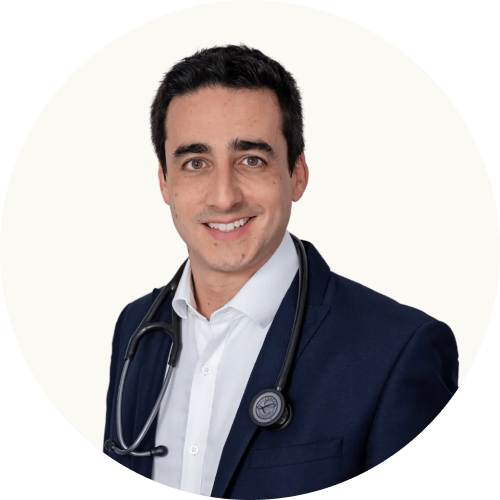
By Dr Daniel Gordon • 06, Oct 2025
Every winter, as the days shorten and the cold sets in, the clinic fills with patients battling sore throats, blocked noses, hacking coughs, and the occasional fever that knocks them for six. For some, it’s a minor inconvenience. For others, particularly those who are vulnerable, it can mean time off work, missed family moments, and, in some cases, a more serious illness that requires hospital care.
Why We Get More Colds and Flu in Winter
Most people know about flu vaccines and handwashing. But a question I hear over and over again is this: “Doctor, what else can I do to protect myself and my family this winter?”
It’s a sensible question, because while we can’t make ourselves bulletproof against viruses, there are choices we can make in our daily lives that stack the odds in our favour. These aren’t “quick fixes” or miracle pills. They are the foundations of health: nutrition, exercise, sleep, stress management, and, where appropriate, safe use of supplements.
What I’d like to do here is share, from both the scientific evidence and my own perspective as a GP, what really works when it comes to reducing your risk of viral infections during winter.
1. Vitamin D and Sunlight: The Immune-Boosting Essential
Let’s start with vitamin D, because the evidence here is stronger than for almost any other supplement.
Vitamin D is sometimes nicknamed the “sunshine vitamin,” because most of our supply is generated when our skin is exposed to sunlight. In the UK, that’s a problem from October through to March as the sun is simply too weak, and most of us become deficient.
Why does that matter for winter infections? Research shows that vitamin D plays a crucial role in immune defence. People with low vitamin D are more likely to pick up viral infections, and more likely to have worse outcomes when they do. In fact, large scientific reviews have shown that vitamin D supplements can reduce the risk of respiratory infections, particularly in people who are deficient to begin with.
What does that mean in real terms? If you’re low in vitamin D, topping up with a daily supplement can cut your risk of winter colds, coughs, and flu-like illnesses quite significantly. Even in those who aren’t frankly deficient, there may be a small protective benefit.
In the UK, official guidance already recommends vitamin D supplementation in winter for bone and muscle health. From my perspective, there’s every reason to see it as an immune investment too. As long as it is taken in safe amounts it’s inexpensive, safe, and for many people, it genuinely makes a difference.
2. Hand Hygiene: Why Washing Your Hands Still Prevents Illness
It may sound almost too simple to be true, but handwashing is still one of the most effective ways we know of reducing viral spread.
Many winter viruses, whether it’s the flu, RSV, or the common cold, are passed from person to person via surfaces and shared contact. Think door handles, bus rails, keyboards, children’s toys. When you touch your mouth, nose, or eyes after contact, the virus gets its opportunity.
Studies consistently show that regular, thorough handwashing reduces respiratory infections. This isn’t just about preventing minor colds. It’s about cutting chains of transmission, protecting children from bringing bugs home from school, protecting elderly relatives from serious complications, and protecting yourself from days of feeling miserable.
It’s unglamorous, I know. But if there were a pill that gave you the same reduction in risk as proper hand hygiene, it would be on every prescription.
3. Smoking and Winter Infections: A Hidden Risk to Immunity
Here’s a fact that isn’t talked about enough: smokers are much more likely to catch colds, flu, and other respiratory infections. And when they do, the illness is usually more severe and lasts longer.
Why? Because smoking damages the natural defences in the nose and lungs that trap and clear viruses. It’s like opening the door and laying down a red carpet for infection.
I see the difference in clinic all the time. Patients who stop smoking don’t just reduce their long-term risk of cancer and heart disease, they also notice fewer infections, fewer chesty coughs, and quicker recovery when they do fall ill. For winter wellness, giving up smoking is one of the most powerful steps anyone can take.
4. Exercise: Less About “Not Getting Sick,” More About “Getting Less Sick”
One of the questions I often get asked is whether regular exercise can stop you catching colds and flu. The honest answer is: probably not. Viruses are everywhere, and exposure is hard to avoid.
But here’s what the evidence does show: people who exercise regularly tend to have milder illnesses and shorter recovery times. Think of it this way: if two people are both exposed to the same cold virus, the fitter, active one is more likely to shrug it off in a few days with mild symptoms, while the sedentary one may be laid up for a week.
Moderate exercise such as brisk walking, cycling, swimming, or gym sessions improves immune resilience. It seems to reduce the intensity of symptoms and shorten the length of colds. The caveat is that very heavy, punishing exercise (like ultra-endurance training) can suppress the immune system in the short term, so balance is key.
The goal isn’t to train for a marathon. It’s to build regular, moderate movement into your life, especially through the winter months when everything else conspires to keep us indoors.
5. Sleep and Immunity: The Unsung Hero of Winter Wellness
If there’s one lifestyle factor that often gets overlooked, it’s sleep.
We all know the difference between how we feel after a full, restful night versus after scraping by on five or six hours. But what’s less well known is how profoundly sleep deprivation affects our ability to fight viruses.
One scientific study exposed healthy volunteers to the common cold virus. Those who had been sleeping fewer than six hours a night were more than four times as likely to actually develop symptoms compared to those who slept seven hours or more. The virus was the same, but the outcome depended on how rested the immune system was.
In practice, this means that consistently aiming for seven to nine hours of good-quality sleep is not just about mood, concentration, or productivity. It’s one of the simplest and most powerful forms of immune defence.
6. Stress and Immunity: Understanding the Mind–Body Connection
Stress is a part of life, and in small doses it can be motivating. But chronic stress, the kind that grinds away over weeks and months, has a very real, measurable impact on immunity.
We’ve known for decades that people under sustained stress are more likely to pick up infections. Stress hormones like cortisol suppress the immune system’s ability to mount a strong defence.
In one fascinating study, volunteers were given nasal drops containing a cold virus. Those with the highest stress levels were almost twice as likely to develop a clinical cold compared to those with the lowest stress levels.
Of course, none of us can remove stress entirely. But we can learn to manage it. Mindfulness, meditation, yoga, breathing techniques, even simply carving out time to connect with friends and family — all of these can buffer the immune-suppressing effects of stress. In my own practice, I’ve seen patients who commit to these changes notice not just improvements in mood, but also fewer winter illnesses.
7. Nutrition and Diet: Feeding Your Body’s Natural Defences
What about nutrition? Does what we eat really make a difference to how often we get sick in winter?
The answer is: yes, to a point.
Diets rich in fruit and vegetables supply the vitamins, minerals, and antioxidants our immune cells need to function optimally. In large population studies, people who eat more fruit and veg tend to report fewer respiratory infections.
Flavonoids (the natural compounds found in berries, tea, and dark chocolate) have also been studied. Some trials suggest they may reduce the incidence of colds and shorten illness duration.
But before you rush out for supplements, remember: whole foods are always the better foundation. Supplements can play a role when deficiencies exist (as with vitamin D), but the daily rhythm of balanced, nutrient-dense meals matters more.
8. Supplements and Immunity: Separating Hope from Hype
Alongside vitamin D, a few other supplements are often talked about in relation to winter immunity.
Vitamin C is the classic. Despite its popularity, taking it daily doesn’t stop you catching colds. Where it may help is in shortening the duration of illness slightly, by perhaps half a day. For people under extreme physical stress (athletes, military training), it may halve the risk of developing a cold. For most people, the benefit is modest at best.
Zinc is another. Taking it regularly doesn’t appear to prevent colds. But if you start zinc lozenges very early, at the first sign of symptoms, it might shorten illness by a day or two. The problem is the side-effects: nausea, metallic taste, and stomach upset are common, and for many people it outweighs the potential gain.
Probiotics the “friendly bacteria” supplements are a more interesting area. Some studies suggest they reduce the frequency of colds and shorten illness slightly, especially in children. But the results vary depending on the strain, the dose, and the population studied. More research is needed before making strong recommendations.
And then there are the herbal remedies: echinacea, elderberry, garlic. Here, the evidence is weak and inconsistent. A few small studies suggest possible benefits, but nothing strong enough to recommend as routine. My advice is always the same: if a patient wants to try them and they are safe, that’s fine, but the priority should always be the proven measures such as sleep, stress management, exercise, diet, vitamin D, and vaccination.
9. The Bigger Picture: Building Everyday Resilience
It’s tempting to look for the one magic bullet that will stop us getting sick in winter. But the truth is more nuanced.
The strongest evidence points us back to basics: vitamin D if you’re deficient, hand hygiene, vaccinations, not smoking, adequate sleep, balanced nutrition, stress management, and regular moderate exercise. None of these alone will make you invincible. But together, they create a shield, one that reduces your chance of falling ill, and if you do, makes it more likely you’ll recover quickly and well.
As a GP, I see the difference in patients who live by these principles. They still get the occasional cold but they bounce back faster, miss fewer days of work, and might avoid the spiral into chest infections or hospital admissions that we sometimes see in those with depleted reserves.
10. A Winter Health Plan That Really Works
So, what should you actually do? Here’s how I advise patients in my clinic:
Consider taking a daily vitamin D supplement through the winter.
Wash your hands regularly, especially after public transport or before eating.
Make sleep a non-negotiable and aim for at least seven hours most nights.
Find ways to keep stress manageable, whether that’s mindfulness, exercise, or time with loved ones.
Build movement into your routine. Brisk walks, gym, or home exercise.
Eat plenty of fruit, veg, and whole foods to nourish your immune system.
Don’t smoke, and if you do, this is the time to stop.
Keep up to date with recommended vaccines for flu and other respiratory infections.
Final Thoughts on Staying Healthy This Winter
This winter, viruses will circulate, as they always do. None of us can avoid exposure completely. But we can choose how resilient we want our bodies to be when that exposure happens.
As a doctor, my role is not just to prescribe or treat, but to guide you towards the daily choices that keep you well. These lifestyle strategies aren’t glamorous, and they don’t make for flashy headlines. But they work. They could be the difference between a winter spent in bed, and a winter where you stay active, present, and well.
At my clinic, we take a holistic approach to health. We look beyond symptoms and prescriptions, and help our patients build strong, resilient foundations. If you’d like support in creating your own winter health plan, from blood testing for vitamin D to tailored advice on lifestyle, nutrition, and stress, we’d be delighted to help.
Dr Daniel Gordon
Frequently Asked Questions About Winter Wellness
Should I take vitamin D in winter?
Yes. In the UK, sunlight between October and March is too weak for your body to make enough vitamin D naturally. Supplementing with a safe daily dose supports bone, muscle, and immune health — and evidence shows it can reduce the risk of respiratory infections.
What’s the best way to boost my immune system naturally?
The most effective approach is consistency in the basics: balanced nutrition, regular exercise, good sleep, managing stress, not smoking, and staying up to date with recommended vaccines. These everyday habits strengthen immune resilience over time.
Do supplements like vitamin C or zinc prevent colds?
For most people, these supplements don’t prevent infections. Vitamin C may shorten recovery slightly, and zinc lozenges can help if started early — but their effects are modest. The strongest evidence still supports vitamin D, quality sleep, and overall lifestyle balance.
How much sleep do I need to stay healthy?
Adults should aim for seven to nine hours of good-quality sleep each night. Research shows people who sleep fewer than six hours are significantly more likely to develop cold symptoms when exposed to a virus.
Can stress really make me ill?
Chronic stress releases hormones like cortisol that suppress your immune system. Over time, that makes you more prone to infections. Mindfulness, deep breathing, exercise, and connecting with others can all help lower stress and strengthen your defences.
Does exercise reduce your chances of getting sick?
Moderate, regular exercise helps your body recover faster from viral infections and reduces symptom severity. Overtraining, however, can temporarily weaken immunity — so balance and rest are key.
Disclaimer
This blog post provides general information only. It is not intended to provide instruction and you should not rely on this information to determine a diagnosis, prognosis or course of treatment. It should not be used in place of a professional consultation with a doctor.
The medical information is the personal opinion of the stated author(s). It is based on available evidence or, where no published evidence is available, on current medical opinion and practice.
Every effort is taken to ensure that the information contained in this website is accurate and complete. However, accuracy cannot be guaranteed – rapid advances in medicine may cause information contained here to become outdated, invalid or subject to debate.
The author(s) is/are not responsible for the results of your decisions resulting from the use of the information, including, but not limited to, your choosing to seek or not to seek professional medical care, or from choosing or not choosing specific treatment based on the information.
You should not disregard the advice of your physician or other qualified healthcare provider because of any information you read on this website. If you have any health care questions, please consult a relevant medical practitioner.